
Take a minute to think about why you first picked up marijuana.
For a lot of us, it started out simple: unwinding after a chaotic workday, taking the edge off racing thoughts, or chasing a solid eight hours of sleep. But over time, things have a funny way of shifting. The hit that used to help you relax can start making you feel tense. The bedtime ritual that used to knock you out might now leave you waking up groggy, foggy, and exhausted before your feet even hit the floor.
If you have been wondering whether cannabis is still serving you, you are far from alone. Deciding to evaluate your relationship with weed isn’t about being “anti-cannabis”—it’s about checking in on your health, your peace of mind, and your life.
Choosing to make a change is a positive, proactive step. Here is what is really happening when you use modern cannabis, and what you can expect when you decide to take a break or step away for good.
The Reality of Modern Cannabis: It’s Not What It Used to Be
The cannabis on dispensary shelves today is vastly different from what was around even a decade ago.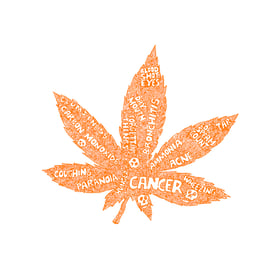
In California, more than 95% of dispensary products are considered high-potency—meaning they have 10% THC or higher. Concentrates, waxes, and vape pens regularly push that concentration even further. While high-potency products hit hard and fast, they also build tolerance rapidly. When your body adapts to heavy doses of THC, the brain adjusts, meaning you need more and more product just to feel “normal” or stave off restlessness.
Here is how that high potency quietly impacts everyday life:
- The Sleep Paradox: Using cannabis before bed might help you drift off quickly at first, but chronic use actually disrupts your natural sleep architecture. It cuts into the restorative sleep stages your brain needs to recharge, leaving you running on half a tank the next day.
- The Stress Rebound: While people frequently self-medicate for anxiety or stress, high-potency THC is a known trigger for anxiety, mood swings, and depressive symptoms over time. When the high fades, the underlying stress is still right there waiting.
- The Distraction of Pain: If you lean on cannabis for physical discomfort, research shows it doesn't cure or treat the physical cause of pain; it primarily blunts the emotional distress surrounding it. Building alternative, reliable stress and body-care habits gives you back control.
Quitting Weed and Nicotine Together? The Case for the Clean Slate
A lot of people who smoke or vape cannabis also use nicotine. If that sounds like you, you have probably noticed how closely tied they feel—smoking a blunt or taking a vape hit often sparks an instant craving for the other.
These are called paired associations. While tackling both at once might sound intimidating, research slightly leans toward quitting cannabis and tobacco at the same time. Why? Because their withdrawal symptoms—like irritability and sleep disruptions—are nearly identical. Quitting together means you only have to reset your system once, rather than putting your body and mind through two separate rounds of recovery.
For more on how the two substances differ and overlap, read Marijuana vs. Tobacco: Understanding Use, Risks, and Health.
What to Expect When You Step Back (The Recovery Timeline)
When you decide to cut back or stop, your body has to recalibrate. Withdrawal isn’t a sign of failure—it is proof that your body is actively recovering.
- The First 2 to 6 Days: Symptoms like irritability, restless nights, and appetite dips usually peak during this window. (Keep in mind: if you primarily use edibles, withdrawal can have a delayed start and take longer to clear.)
- Weeks 1 to 2: Physical tension starts to lift. You will likely notice brain fog clearing out, with noticeable boosts in memory, focus, and mental sharpness.
- Weeks 3 to 4: Your natural sleep cycle begins to find its rhythm again. Falling asleep and staying asleep gets easier without relying on a substance.
- The Long Run: Breathing gets easier, day-to-day anxiety softens, and personal relationships often feel more present, connected, and grounded.
4 Grounding Tips to Ease the Transition
- Consider Tapering First: If you have been using high-potency concentrates or daily flower for over a year, you don’t necessarily have to jump off a cliff cold-turkey. A slow, planned reduction over a couple of weeks can take the sharpest edges off withdrawal.
- Fuel Your Body with “Micro-Meals”: If your appetite drops early on, don’t force three heavy meals. Pivot to 5 or 6 small, nutrient-dense bites throughout the day—think smoothies, nuts, protein shakes, or avocado toast.
- Guard Your Bedtime: Set a consistent wake-up time, get daytime sunshine and movement, and shut down bright screens 30 to 60 minutes before bed to let your brain naturally wind down.
- Step Out of the Craving: When an urge hits, change your physical environment. Step outside, take a 10-minute walk, or practice slow, deep belly breathing to ride the wave until it passes.
You Don't Have to Do This Alone
Evaluating your habits takes courage, but you don't have to navigate it by yourself.
Whether you want to quit completely, taper down gradually, or just talk through what a quit plan could look like, Kick It California offers free, personalized, 1-on-1 coaching designed around your goals—with zero judgment.
- Call Toll-Free: 1-800-300-8086
- Text Us: Send “Quit” to 66819.
- Chat Online: Visit kickitca.org to start building your personal quit plan today.
If you also use tobacco or nicotine, you can request free help to quit tobacco or nicotine through Kick It California’s online referral form.
If you or someone you know is navigating intense emotional distress or having thoughts of suicide, support is available 24/7 by calling or texting the 988 Suicide & Crisis Lifeline.
Ready to quit?
Free, confidential help from a real Quit Coach.